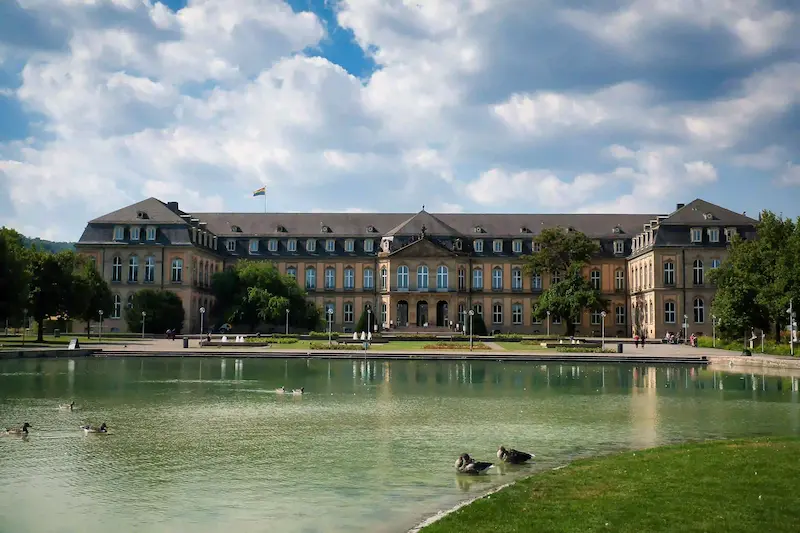
Baden-Württemberg
Baden-Württemberg is located in southwestern Germany and is known for the Black Forest, Lake Constance, historic cities and diverse landscapes.
Learn moreMost of the content on this website was created with the help of artificial intelligence. If you discover an error, you can report it here.
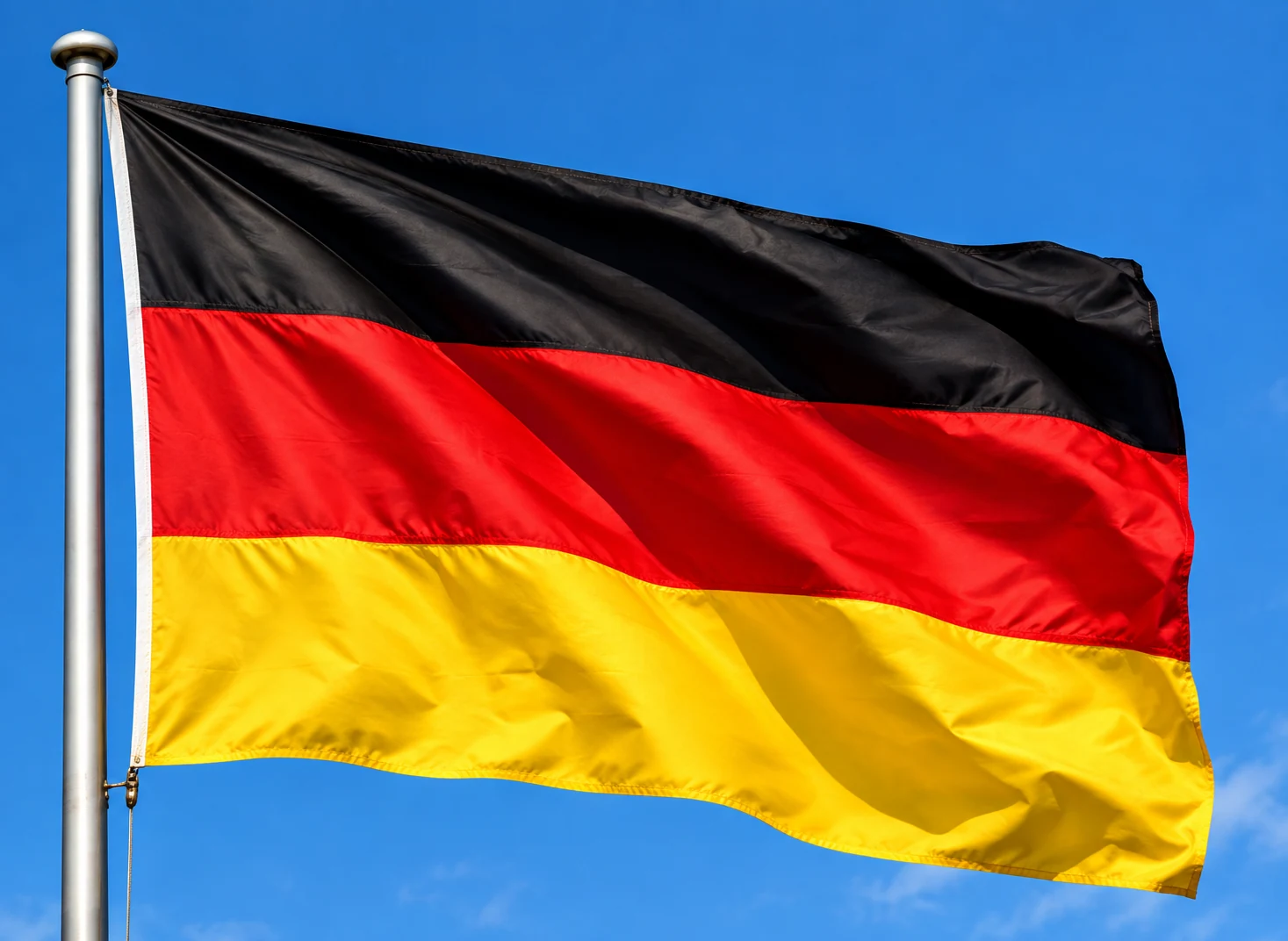
Germany is located in Central Europe and consists of 16 federal states. The country offers a great diversity of landscapes, cities, cultures and historical landmarks. From the North Sea and Baltic Sea coasts through forests, rivers and low mountain ranges to the Alps in the south, there are numerous different regions to discover.
Learn more about GermanyDiscover Germany's 16 federal states and learn more about their landscapes, cities, landmarks and distinctive features.
Baden-Württemberg is located in southwestern Germany and is known for the Black Forest, Lake Constance, historic cities and diverse landscapes.
Learn more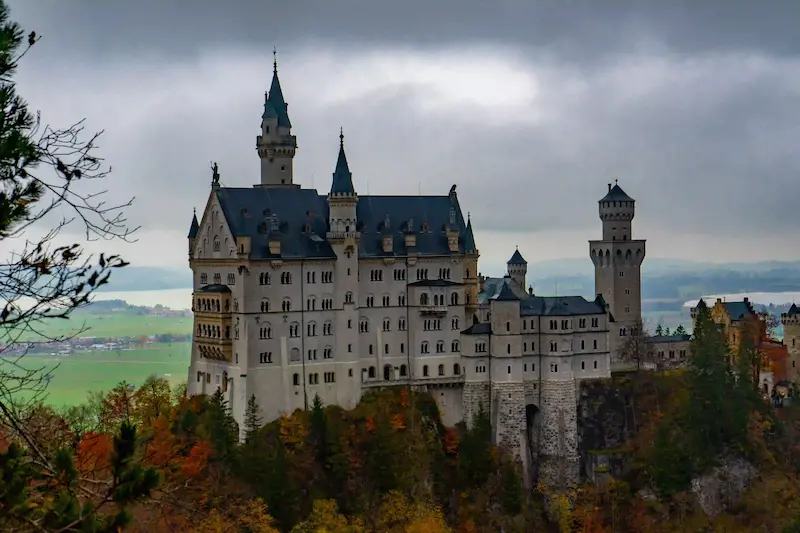
Bavaria is the largest federal state in Germany by area. The region is known for the Alps, lakes, castles, historic cities and diverse natural landscapes.
Learn more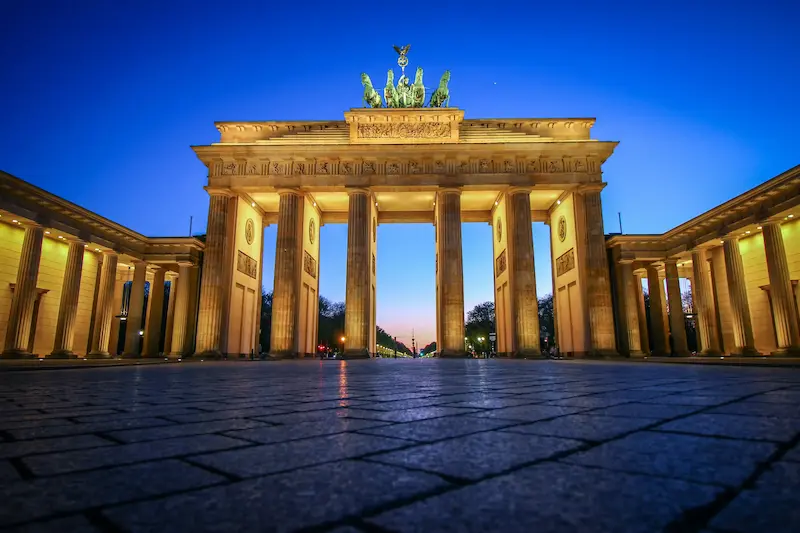
Berlin is the capital of Germany and an international metropolis. The city combines history, culture, architecture and modern urban life.
Learn more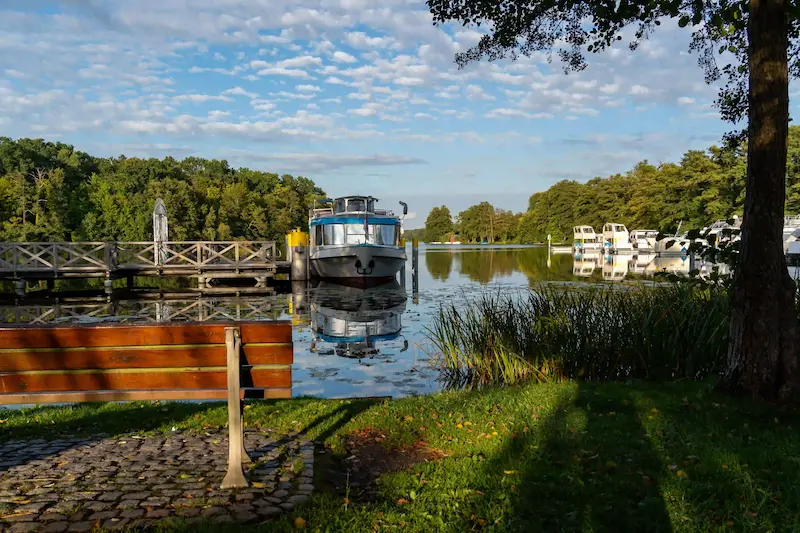
Brandenburg surrounds Berlin and is characterized by forests, lakes, rivers and historic cultural landscapes. One of its well-known places is Potsdam.
Learn more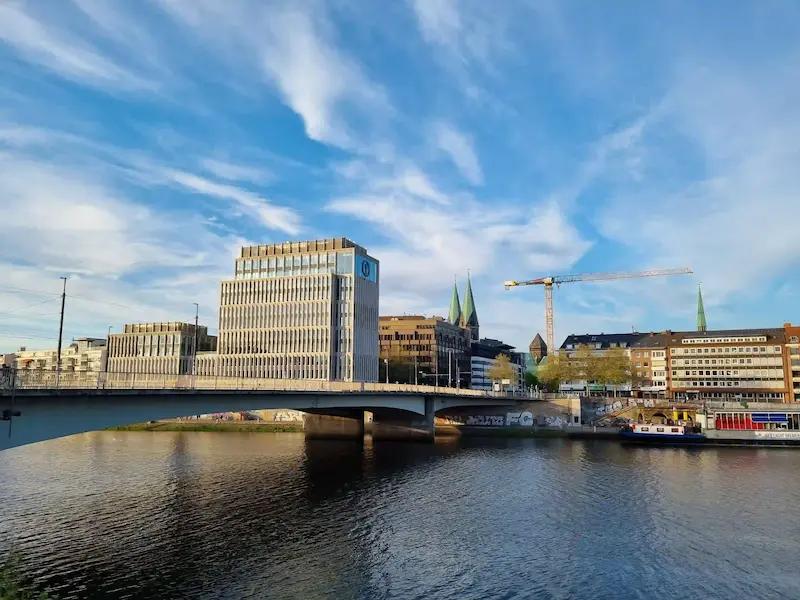
Bremen is a city-state in northern Germany with a long maritime history. It is particularly known for Bremen's Old Town and the Bremen Town Musicians.
Learn more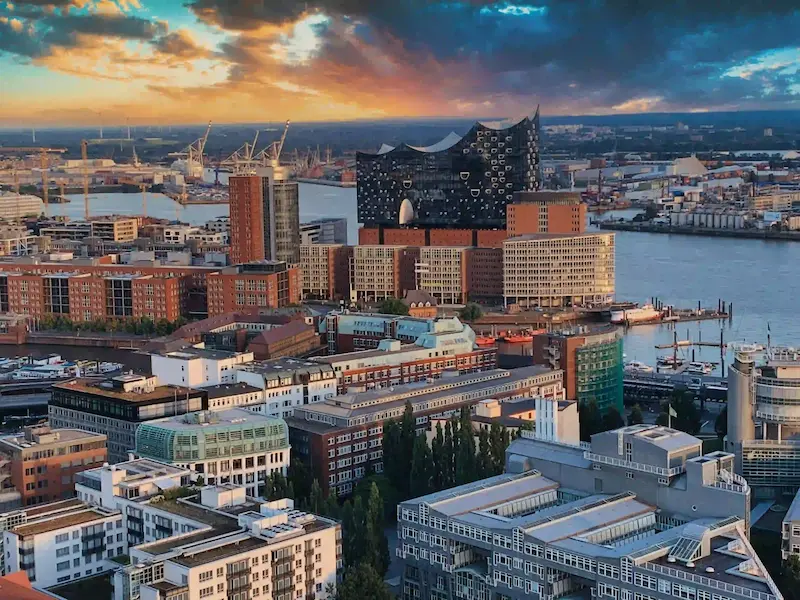
Hamburg is a major port city in northern Germany. The city is especially known for the Elbe, its harbor, the Speicherstadt and its maritime atmosphere.
Learn more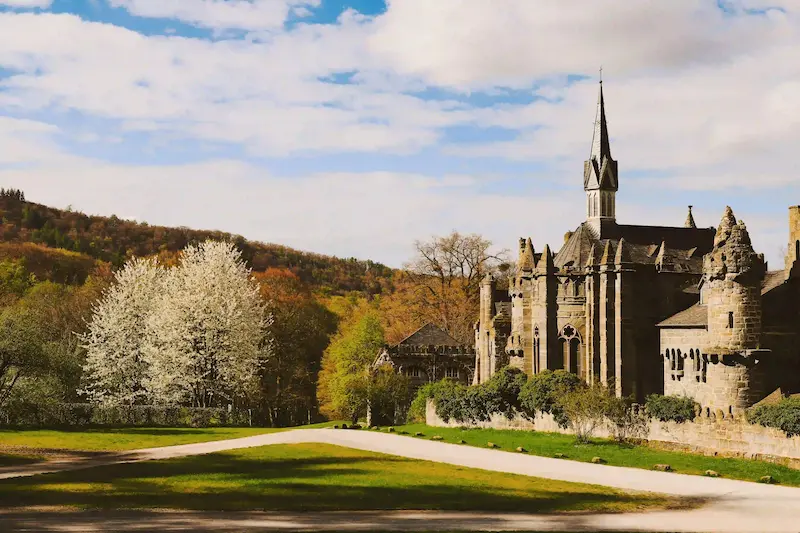
Hesse is located in central Germany and offers forests, river landscapes and historic cities. Frankfurt am Main is an important financial and economic center.
Learn more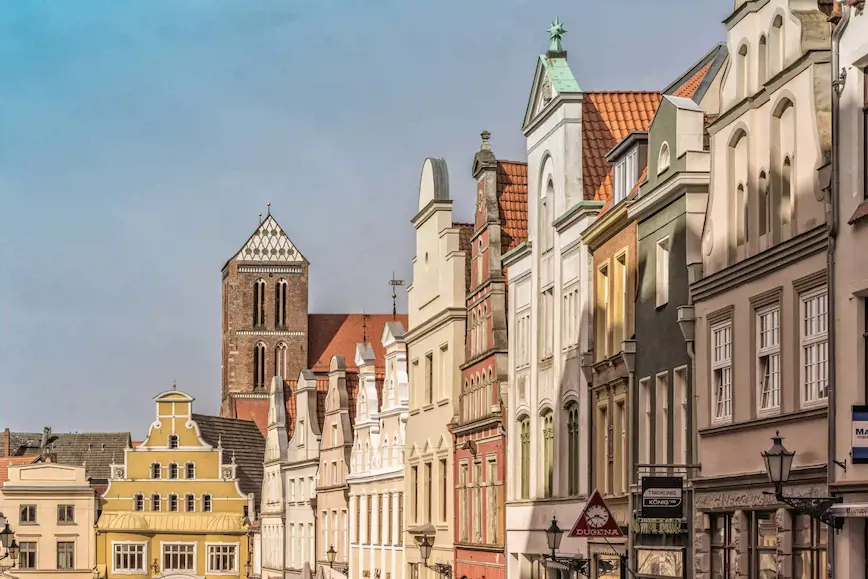
Mecklenburg-Western Pomerania is located in northeastern Germany and is known for the Baltic Sea coast, islands, beaches, lakes and historic Hanseatic cities.
Learn more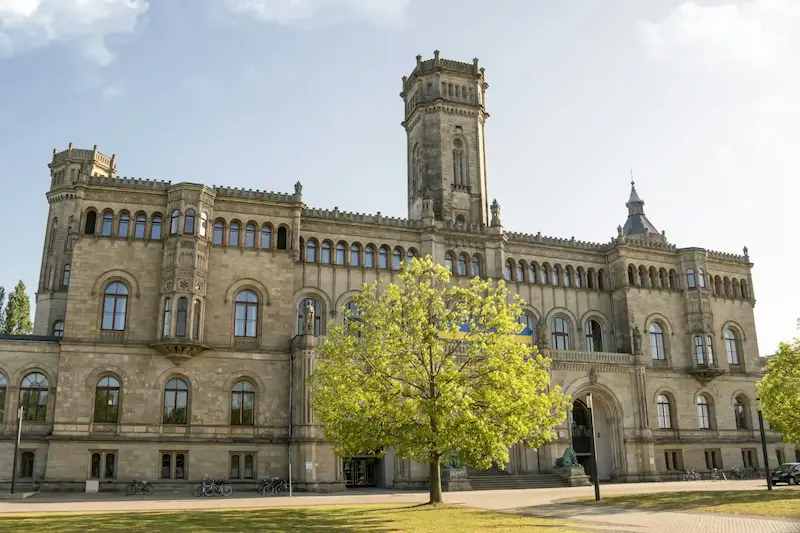
Lower Saxony is located in northern Germany and stretches from the North Sea coast to the Harz Mountains. The region offers coastal landscapes, the Wadden Sea, forests and numerous historic sites.
Learn more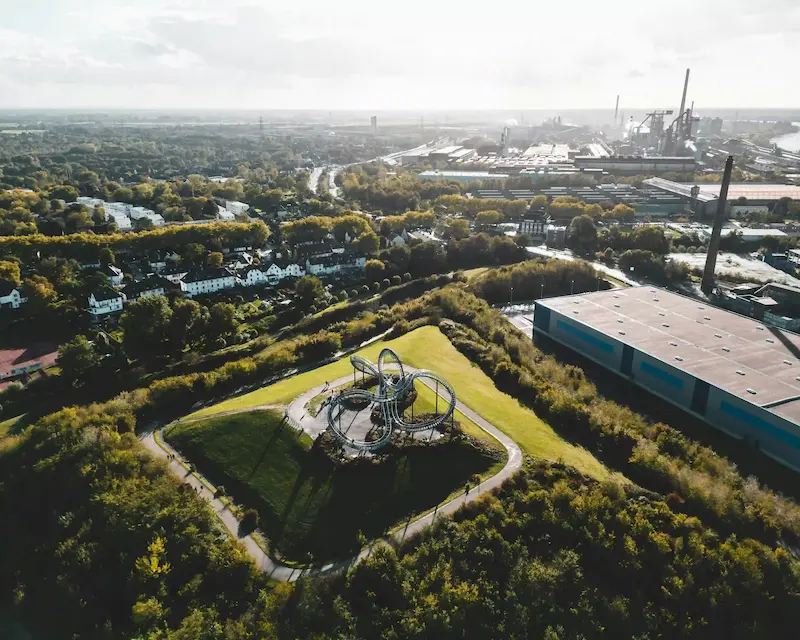
North Rhine-Westphalia is located in western Germany and is one of the country's most populous regions. The federal state is home to major cities, an important industrial heritage and numerous cultural sites.
Learn more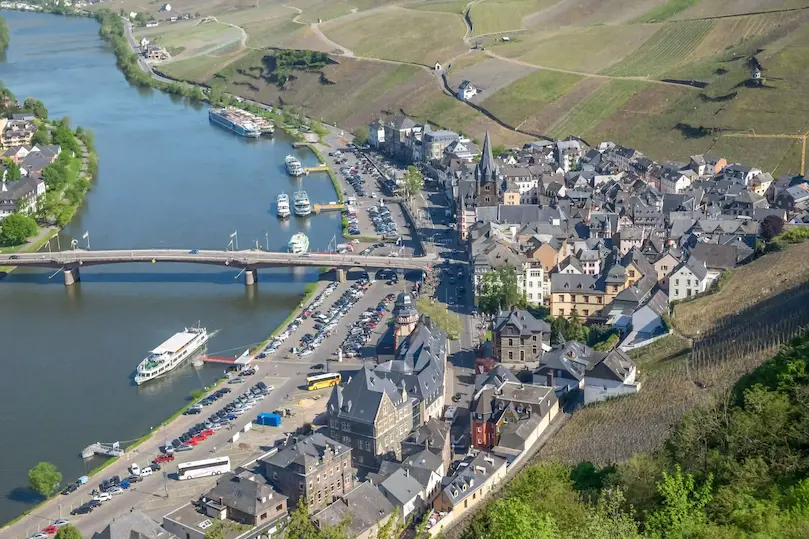
Rhineland-Palatinate is particularly known for the Rhine Valley, the Moselle, wine regions, castles and historic cities. The landscape is characterized by rivers and wooded hills.
Learn more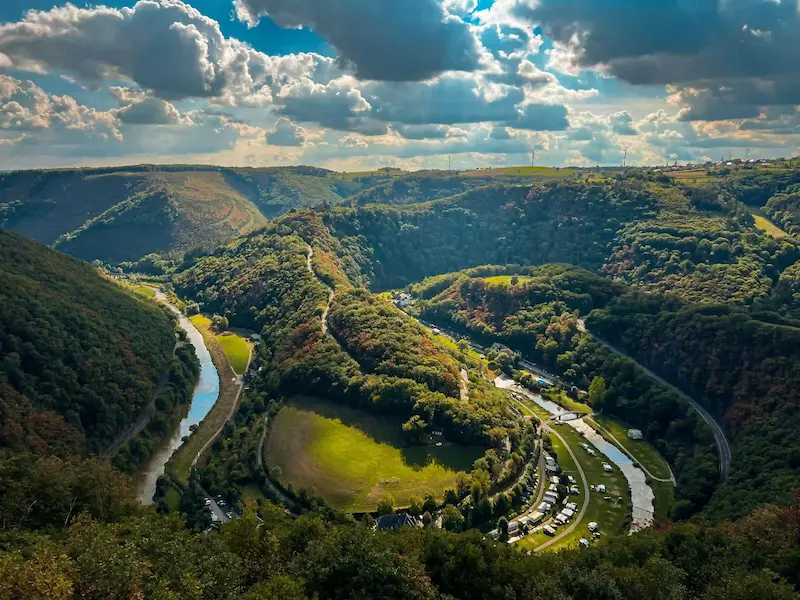
Saarland is located in southwestern Germany and borders France and Luxembourg. Forests, river landscapes and its industrial history shape the region.
Learn more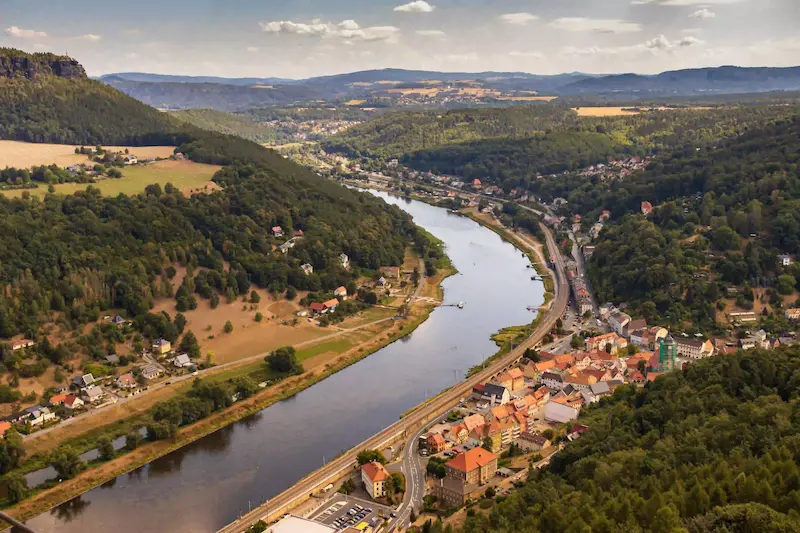
Saxony is located in eastern Germany and is known for Dresden, Leipzig, historic cities as well as diverse landscapes and cultural landmarks.
Learn more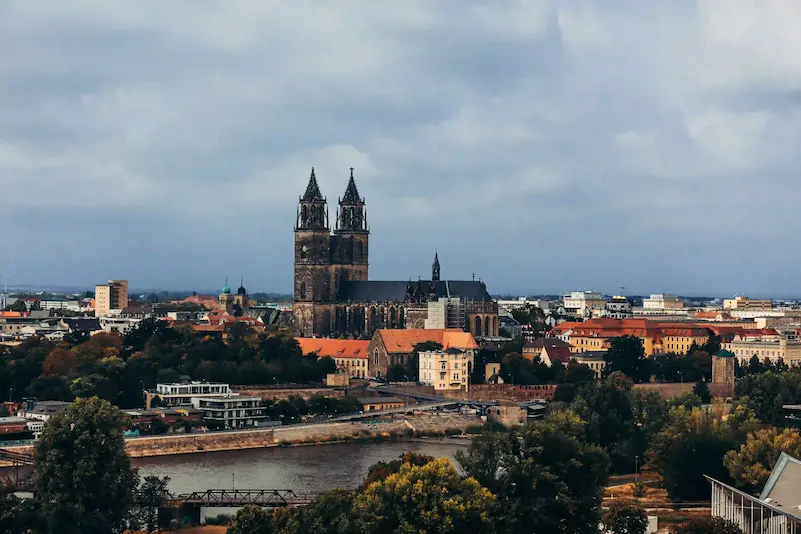
Saxony-Anhalt is located in eastern Germany and has numerous historic cities and important cultural sites. In the west lies the Harz Mountains with their diverse landscapes.
Learn more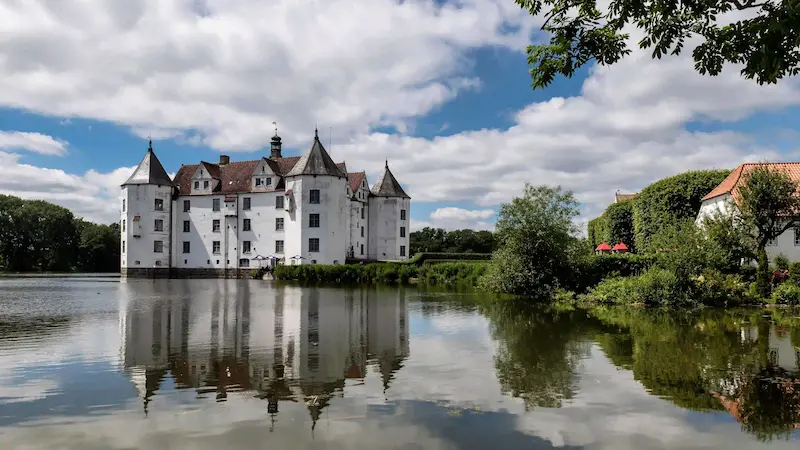
Schleswig-Holstein is Germany's northernmost federal state and lies between the North Sea and the Baltic Sea. Coasts, islands, beaches and maritime landscapes characterize the region.
Learn more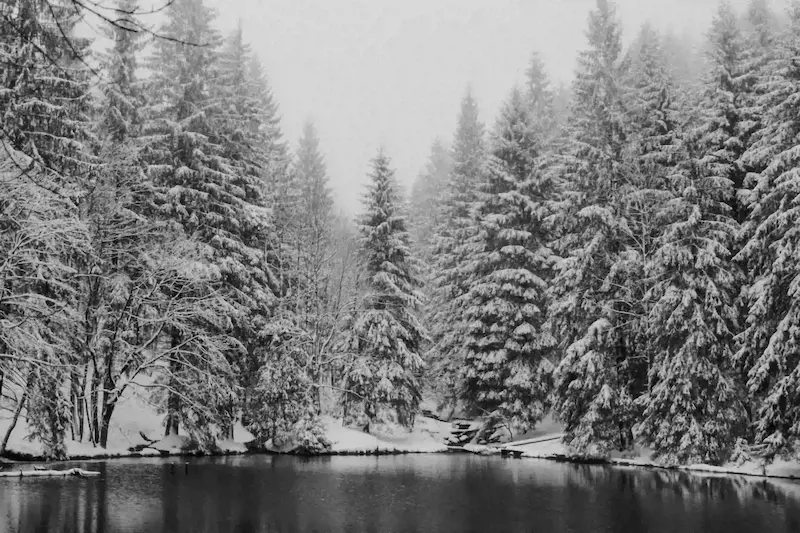
Thuringia is located in central Germany and is known for the Thuringian Forest, historic cities and important sites of German cultural history.
Learn more